Best Vintage Kokeshi Dolls From Japan for Collectors
If you’re searching for vintage kokeshi dolls from Japan, you’re looking for hand-carved, traditional wooden dolls with simple yet expressive features. These dolls are prized by collectors for their craftsmanship, wood material, and regional styles. The top picks below focus on classic Usaburo and other traditional kokeshi designs, along with a playful 90s-inspired flying doll for contrast. This guide helps identify which doll suits a new collector, a seasoned enthusiast, or a gift buyer seeking authentic Japanese craftsmanship.
| Product | Style | Best For |
|---|---|---|
| Usaburo Sosaku Kokeshi Doll Fujiyama | Traditional Mizuki wood, tall form | Classic display, collector with preference for Japanese import dolls |
| Aeiniwer Usaburo Sosaku Kokeshi Doll Yukigeshou | Handmade, Mizuki wood, white-collar Yukigeshou motif | Authentic handmade piece, ideal for dedicated collectors |
| Usaburo Sosaku Kokeshi Doll Cherry Blossoms Kimono Girl | Hand-painted, Mizuki wood, cherry blossom Kimono | Springtime display, floral kimono variant |
| Usaburo Japanese Kokeshi Doll, Brown Ojizo | Traditional Usaburo style, brown Ojizo look | Minimalist display, heritage-style doll |
| Sky Dancers Flying Doll, Fuchsia Fantasy | Retro-inspired, pull-string toy | Child-friendly, nostalgic decor with motion |
Usaburo Sosaku Kokeshi Doll Fujiyama

Best for traditional display enthusiasts who value classic Mizuki-wood craftsmanship. The doll features a tall form with a compact footprint: width 7 cm, depth 7 cm, height 19 cm, and uses Mizuki wood. This Japan import appeals to collectors seeking authentic Usaburo lineage and a crisp, understated finish.
Who it’s best for: seasoned collectors prioritizing authentic Japanese imports and a timeless kokeshi silhouette. Why selected: it represents a classic, regionally tied kokeshi style with simple, elegant lines.
Caution: Little variant detail may appear due to wood grain; expect natural variations in color and texture.
Aeiniwer Usaburo Sosaku Kokeshi Doll Yukigeshou

Better for collectors who prize handmade authenticity. This doll mirrors the traditional Usaburo style with Mizuki wood and a 19 cm height. Its Yukigeshou motif adds a subtle seasonal character to a display shelf.
Who it’s best for: collectors who appreciate handmade, Japanese-made kokeshi with consistent craftsmanship. Why selected: emphasizes authentic handcrafting and classic materials.
Caution: As a handmade piece, finish can vary between batches; expect slight irregularities that add character rather than deter value.
Usaburo Sosaku Kokeshi Doll Cherry Blossoms Kimono Girl

Best for display with floral themes and seasonal decor. This hand-painted piece measures about W75mm x XD75mm x H155mm, using Mizuki wood. The cherry blossoms and kimono pattern provide a culturally rich look for shelves or cabinets.
Who it’s best for: collectors seeking a traditional kimono depiction and hand-painted detailing. Why selected: combines classic Usaburo styling with a spring motif that remains timeless.
Caution: Small differences in paint depth may occur due to hand-painting; monitor for slight color variation.
Usaburo Japanese Kokeshi Doll, Brown Ojizo
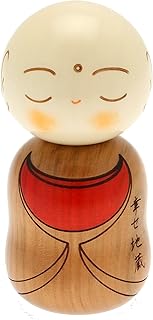
Best for minimalist collectors who prefer a traditional Ojizo-inspired look. This authentic Usaburo doll is handcrafted from wood and made in Japan, offering a subdued aesthetic with a strong sense of heritage.
Who it’s best for: buyers seeking a heritage-style piece with clean lines. Why selected: emphasizes authenticity and the traditional Ojizo influence in Usaburo designs.
Caution: As with many handmade pieces, minor wood grain variations may influence overall appearance slightly.
Buying Guide
What defines a vintage kokeshi doll?
Vintage kokeshi are typically wood-carved dolls from Japan, often hand-painted and featuring simple cylindrical bodies with expressive faces. They emphasize natural wood grain, traditional motifs, and regionally influenced designs. Look for handmade marks, material described as Mizuki wood, and clear indications of Japanese origin.
Which materials matter most?
Authentic kokeshi commonly use Mizuki (zelkova) wood or similar light woods that take paint well and age gracefully. Hand-painted surfaces and lacquer finishes are common. The wood type influences weight, texture, and the depth of color in the artwork.
What display considerations should I have?
Consider your display environment: a stable shelf away from direct sunlight reduces color fading; upright or slightly angled stands help showcase facial expressions. For tall figures, ensure the base is secure. Light, buffer surfaces protect against scratches.
How do you verify authenticity for a collector?
Check for clear origin statements (Made in Japan), hand-painted details, and the presence of traditional motifs like kimono patterns, Mizuki wood, or Usaburo lineage. Provenance or documentation from reputable sellers enhances confidence.
Who should avoid certain pieces?
Avoid dolls with heavily damaged surfaces, significant cracks, or inconsistent finishes that obscure hand-painted features. For new collectors, starters might prefer simpler, consistent finishes before exploring rare variants.
How should I compare the listed options?
Compare by height, motif, and finish: tall, simple forms vs. hand-painted seasonal designs; authentic Japanese-made vs. imported replication. Consider whether you want a traditional, minimal piece or a more decorative, floral design for display.
Care and maintenance tips
Dust with a soft brush or microfiber cloth. Avoid harsh cleaners. If needed, use a lightly damp cloth and dry immediately. Keep away from direct sunlight and extreme humidity to preserve paint and wood integrity.
Summary of top considerations
- Authenticity: Made in Japan, hand-painted details
- Material: Mizuki wood or similar for traditional feel
- Motif: Kimono, cherry blossoms, or Ojizo themes
- Condition: Look for vintage integrity, minimal damage
- Display: Size and stability for shelving or cabinets
Frequently Asked Questions
- What makes a kokeshi “vintage”?
Typically older pieces associated with historical manufacturing styles and traditional motifs, often handcrafted in Japan.
- Are Usaburo kokeshi dolls considered authentic?
Yes, Usaburo is a recognized traditional brand/style within Japanese kokeshi crafting.
- Can kokeshi dolls be used as home decor?
Yes, many collectors display kokeshi as decorative art on shelves, desks, or cabinets.
- What should I inspect when buying a vintage kokeshi online?
Look for origin, material notes, hand-painted features, and clear photos showing the entire piece.
- Is a smaller kokeshi more valuable than a taller one?
Value depends on rarity, craftsmanship, and condition—not just size.
- Do these dolls require special care?
Routine dusting and avoiding direct sunlight help preserve color and wood integrity.