Best Small RC Gas Engines for Hobbyists and Educators
When choosing a small RC gas engine, buyers typically seek compact power, reliable construction, and clear operation demonstrations. This guide highlights five relevant options ideal for hobbyists, students, and display enthusiasts. Each product is evaluated for who it’s best for, with practical pros and limitations based on listed features. A concise buying table is provided to help compare at a glance.
Saito FG-19R3 3-Cylinder Gas Radial

The Saito FG-19R3 is a compact, multi-cylinder gas radial engine designed for advanced hobbyists and display models. This 3-cylinder configuration offers a distinctive radial sound and balance, appealing to builders seeking a standout scale appearance. Best for experienced modelers and educational displays that demonstrate multi-bank ignition and engine timing. A key limitation is fuel and lubrication recommendations that require synthetic oil blends at a specific mix ratio, which may demand careful adherence.
FS-S100AT Single-Cylinder 4-Stroke Engine

The FS-S100AT is a transparent, all-metal micro engine with a single 4-stroke design. It emphasizes observable operation through a transparent combustion chamber, making it ideal for classrooms, demonstrations, and collectors who want to see internal mechanics. Best for educators and hobbyists who value visibility and precision engineering. A potential limitation is the need for compatible components and maintenance familiarity due to its micro, all-metal construction.
ZYHOBBY RC Engine Gas Fuel Tank 500ml

This 500ml transparent fuel bottle is designed for RC gas airplanes and models. It features metal inlet/outlet caps and a compact 92.5g weight, making it suitable for lightweight builds and adjustments during testing. Best for builders who need a reliable replacement fuel container with clear visibility of fuel flow. Caution: ensure compatibility with your engine’s fuel line fittings to avoid leaks.
HobbyPark RC Gas Fuel Tanks (300CC)
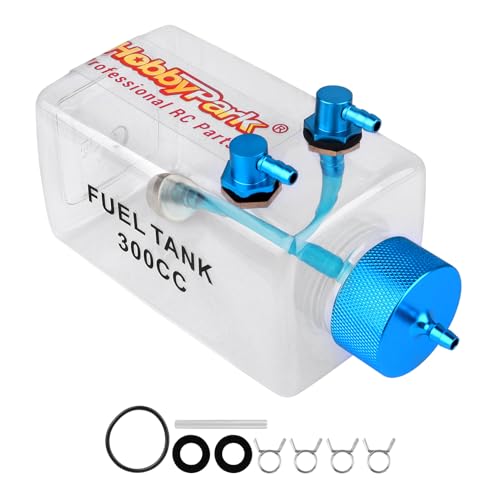
The HobbyPark 300CC fuel tank is designed for RC gas aircraft and engines. It comes pre-setup, with aluminum nipples, and a sealed body for durability. Best for hobbyists who want plug-and-play fuel solutions and robust build quality. Limitation: capacity and hose configuration should match your aircraft’s fuel system to ensure proper fit and operation.
BINGXMF Nitro RC Cars Truck 1/10 Two Speed

This 1/10 scale nitro RC truck features a two-speed system and a high-performance aluminum base plate. Best for serious hobbyists seeking fast off-road performance with a robust chassis, capable of aggressive driving. A caution is the need for methanol-based fuel and maintenance of the nitro engine, which may be more involved than electric alternatives.
| Product | Best For | Notable Feature | Limitations |
|---|---|---|---|
| Saito FG-19R3 | Experienced modelers seeking a radial engine display | 3-cylinder gas radial design | Specific oil mix requirements |
| FS-S100AT | Educators and collectors | Transparent combustion chamber | Micro scale maintenance considerations |
| ZYHOBBY 500ml Fuel Tank | Builders needing a clear fuel container | Transparent, metal fittings | Fit with engine fittings must be checked |
| HobbyPark 300CC Tank | RC planes and gas engines | Pre-set up, durable build | Capacity may be limited for long flights |
| BINGXMF Nitro RC Car Truck | High-speed off-road enthusiasts | Two-speed system, aluminum chassis | Nitro fuel maintenance required |
Buying Guide
What counts when choosing a small RC gas engine?
Consider fuel type, lubrication needs, and maintenance. Small gas engines demand careful oil ratios, cooling, and regular inspection of seals and carburetors. For educational settings, choose engines with visible internals or modular components to aid demonstrations. For competition or scale models, prioritize reliability and support availability.
Which factors matter for beginners vs. advanced users?
Beginners benefit from transparent or clearly documented components, pre-assembled systems, and readily available spare parts. Advanced users may prefer multi-cylinder configurations, high-precision CNC parts, or engines designed for display as well as operation. The right choice balances ease of use with the learning objectives.
What about fuel and maintenance?
Many small gas engines require synthetic oil mixes (specific ratios) and cooling considerations. Regular oil changes, air filter checks, and carburetor tuning help sustain performance. For nitro or methanol systems, ensure you have the correct fuel mix and a plan for safe handling and refueling.
How to compare capacity, performance, and compatibility?
Compare displacement, number of cylinders, and intended application (aircraft, cars, or displays). Verify compatibility with fuel tanks, lines, and mounting points. Look for engines and accessories with clear documentation and standard fittings to simplify integration.
What should you ask before purchasing?
- Is the engine suitable for my model size and weight?
- Are spare parts and service widely available?
- Does the kit include or require additional components (carbs, ignition, tanks)?
- Are there recommended lubricants and fuel types?
FAQ
- What is a good starting engine for a small RC plane? Answer: An engine with standardized mounting and readily available fuel fittings, such as those designed for model aircraft, is recommended for beginners.
- Do all RC gas engines require synthetic oil? Answer: Many do, with specific mix ratios; always follow the manufacturer’s guidance.
- Are transparent combustion chamber engines better for learning? Answer: They help visualize operation, which can aid teaching and troubleshooting.
- Can a fuel tank affect engine performance? Answer: Yes, tank capacity and quality of fittings influence fuel delivery and reliability.
- Is nitro fuel suitable for all small RC engines? Answer: Not universally; confirm compatibility with your engine’s fuel system.
- How important is engine cooling in small RC gas engines? Answer: Proper cooling prevents overheating and extends engine life, especially in high-load scenarios.