Best Light Electric Guitar Strings for Clarity and Playability
Answering the search intent for lighter electric guitar strings, this guide highlights strings that are easy to play, offer bright tone, and stay intonated for beginners and seasoned players alike. The selections favor lower-to-mid gauges that reduce finger fatigue and are suitable for genres ranging from blues to rock. The top picks are ideal for players seeking lighter feel, better bending ease, and reliable intonation. See the quick comparison table below and then explore each product with clear buyer-oriented notes.
| Product | Gauge Range | Best For | Notes |
|---|---|---|---|
| Ernie Ball Super Slinky Nickel Wound Electric Strings, 9-42 | 9-42 | Beginners and players who want easy fretting | Iconic Slinky feel |
| Ernie Ball Super Slinky Nickel Wound Electric Strings 3-pack, 9-42 | 9-42 | Setters who want multiple ready-to-use sets | Three individually wrapped sets |
| Darco Electric Strings, Super Lights .008-.038 | .008-.038 | Players seeking ultra-light feel for fastest bends | Very light gauge option |
| Elixir Electric Guitar Strings Nickel Plated Steel NANOWEB, 6-String, 10-46 | 10-46 | Players who want long-lasting tone | NANOWEB coating for smooth feel |
| D’Addario XL Nickel EXL110-3D Electric Guitar Strings, 10-46, 3 Sets | 10-46 | Flexibly light-to-standard gauge with reliable tone | Hex-Core for stable intonation |
Ernie Ball Super Slinky 9-42

Best for beginners and players who want an ultra-responsive feel with minimal finger fatigue. Ernie Ball’s Slinky line is widely associated with iconic players and a classic, balanced electric tone. The 9-42 gauge is known for light tension and easy bending, making it a staple for blues and rock styles.
Selected for: light, comfortable playing experience with reliable intonation and the renowned Slinky brand loyalty. Best for players who prioritize a familiar feel and a widely available, neck-friendly setup.
Caution: Some players notice slightly brighter high strings with long sessions; consider a coating option if sweat is an issue for you.
Ernie Ball Super Slinky 9-42 3-pack

This 3-pack gives multiple ready-to-string sets, ideal for players who string frequently, travel, or run a rehearsal schedule. The 9-42 gauge remains the same light feel, with Ernie Ball’s Element Shield Packaging promising freshness between replacements.
Best for: players who want spare packs on hand without sacrificing string consistency. Better for: reducing downtime between setups. Choose this if you value convenience and consistent tone across sessions.
Limitation: Packaging adds value, but you’ll still want to store sets properly to maintain freshness over time.
Darco Electric Strings, Super Lights .008-.038

Best for players seeking the lightest possible tension to maximize ease of fretting and ultra-responsive bending. These are designed for a bright electric tone with quick attack and a noticeably looser feel, suitable for beginner shredders or listeners who favor featherweight playability.
Best for: novices and players who want effortless string pulling, especially on fast riffs. Caution: very light gauges can lead to more fret buzz or breakage under aggressive picking; consider a lighter picking style or a heavier gauge for stability.
Elixir Nanoweb 10-46 Nickel Plated Steel
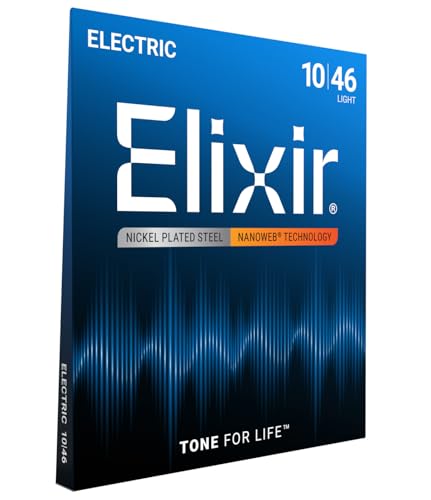
Best for players who want longevity and consistent out-of-the-box tone. The Nanoweb coating preserves brightness longer and provides a smooth, comfortable feel. While some players prefer uncoated strings, this option emphasizes corrosion resistance and extended tone life.
Best for: players who practice frequently in humid or sweaty environments and want longer-lasting tone. Limitation: coated strings can feel slightly different to touch compared to uncoated sets.
D’Addario XL Nickel EXL110-3D (Three Sets)

Best for players who want a versatile option that covers light to standard gauges with reliable intonation. The EXL110-3D set features a Hex-Core construction for stable tension and consistent feel across all strings, making it a practical choice for varied playing styles.
Best for: guitarists who string up multiple guitars or who want ready-to-swap sets with dependable performance. Limitation: 10-46 gauge may not feel as light as ultra-light options, depending on playing style.
Buying Guide
Key considerations when choosing light electric guitar strings:
- Gauge and feel: Lighter gauges (such as 9-42 or 8-38) require less finger pressure and bend more easily, which is ideal for beginners and players seeking fast fretwork.
- Coating vs. uncoated: Coated strings last longer and resist corrosion but can feel slicker or slightly different to the touch. Uncoated strings provide a brighter, more traditional feel but wear faster.
- Intonation stability: Hex-core construction or premium winding processes help maintain accurate intonation as you bend notes. This matters most for players who move quickly across frets.
- Playing style: Blues, rock, and metal players may prefer slightly different tones even in light gauges. Consider whether you want a brighter edge or a smoother midrange.
- Maintenance: Regular cleaning and proper storage extend string life. Consider packaging that keeps strings fresh if you don’t replace them frequently.
FAQ
- What gauge is best for beginners? – 9-42 or 10-46 is common for beginners, offering a balance of light tension and sturdy tone.
- Are coated strings worth it for light gauges? – Coated strings last longer and resist corrosion, but some players notice a different feel; choose based on playing environment and comfort.
- Do lighter gauges stay in tune as well as heavier gauges? – Yes, with proper setup. Hex-core designs and high-quality windings aid stability across gauges.
- Can I mix gauges on a single guitar? – Yes, many players mix gauges for different strings (low-B strings, for example) to balance feel and tension.
- How often should I replace light-gauge strings? – More frequent playing typically requires more frequent replacement to maintain tone and intonation.
- What should I consider when choosing between 9-42 and 8-38? – 9-42 offers a comfortable balance; 8-38 is the lightest and best for ultra-fast bending and minimal finger pressure.