Best Headphones for 18-Month-Olds: Safe, Adjustable Options for Tiny Ears
Answering the needs of parents seeking safe, age-appropriate listening gear for toddlers, these headphones are designed with small heads, soft materials, and gentle volume limits. The best picks here target different scenarios—travel, home use, school settings, and sleep-friendly options—so you can choose what fits your toddler’s routine. The products below emphasize safe listening levels, durable builds, and comfortable fit for 18–24 month olds and other toddlers through early childhood. The summary table highlights each option’s key strengths for quick comparison.
| Product | Best For | Volume Limit | Key Benefit |
|---|---|---|---|
| iClever BTH27 Toddler Headphones | Travel and daily use | 75/80 dBA | Dual-mode limiter with kid-friendly sound refinement |
| iClever BTH22 Kids Headphones | Extended playtime on trips | 74 dBA / 85 dBA | Long battery life with USB-C charging |
| CozyPhones Toddler Headphones | Comfy sleep and travel | 90 dB (limited) | Wired/wireless with soft headband |
| Alpine Muffy Baby Ear Protection | Noisy environments and sleep | Lower noise exposure | Adjustable fit for growing heads |
| Kidrox Wired Toddler Headphones | Planes, cars, classrooms | 85 dB | Flat tangle-free cable and adjustable headband |
iClever BTH27: 2+ Year Old Safe Bluetooth Headphones

The iClever BTH27 is designed for younger listeners with a dual-mode volume limiter at 75/80 dBA. The 75 dBA setting is tailored for small ears, while the 80 dBA mode provides a slightly broader listening range for slightly older toddlers. The headphones use BPA-free, kid-friendly materials and soft leather ear cushions to reduce fatigue during longer listening sessions. A 4–5 hour daily use pattern translates into up to 15 days between charges, and a quick 10-minute USB-C charge yields up to 8 hours of playback. A 3.5mm auxiliary cable keeps you listening if the battery runs low. Best for travel and everyday use, especially for toddlers who need gentle progressions in volume control. Caution: avoid extended listening at the higher 80 dBA setting for very small ears; switch to 75 dBA for the youngest listeners.
Who it’s best for: Parents seeking a compact, safe option with flexible volume control and a travel-friendly rechargeable design. Ideal for toddlers who require parental guidance on volume and who may use Bluetooth devices on trips or car rides.
iClever BTH22: 60-Hour Battery, Safe 74/85 dBA

The BTH22 model emphasizes durability and extended playtime. It uses iClever Sound Refiner to cap sound below 85 dBA while offering a 74 dBA mode for toddlers. The build is reinforced with BPA-free ABS materials, delivering 50% higher durability against rough handling. Bluetooth 5.4 ensures stable connections, and a generous 60-hour battery life means long intervals between charges, crucial for trips or daily use. A 3.5mm auxiliary cord provides a fallback if the battery depletes. Choose this if you need a longer battery life and a tougher shell for active toddlers. Limitation: the higher 85 dBA mode should be used sparingly for very young ears.
Who it’s best for: Families who want a long-lasting, sturdy option suitable for travel, school tasks, and heavy daily use. Best for kids who may repeatedly misplace accessories, thanks to the versatile wired option.
CozyPhones Toddler Headphones: Wired & Wireless Hybrid

CozyPhones combines wired and wireless use in one lightweight design. The headband is soft, stretchy, and washable, with a 90 dB limit to protect little ears. The 3.5 mm cable provides a reliable wired option when Bluetooth isn’t available or the battery is low. The headphones also function as a sleep aid due to the soft band and comfortable fit, making them suitable for travel or long car rides. Best for toddlers who benefit from a sleep-friendly profile and a dual-use setup. Caution: 90 dB limit is relatively higher than some dedicated 74–80 dB models, so consider consistent monitoring for the youngest listeners.
Who it’s best for: Parents seeking a versatile option that works with or without Bluetooth, especially for travel or nap-friendly listening. Better for kids who are transitioning between wired and wireless headphones.
BBTKCARE Baby Ear Protection Headphones
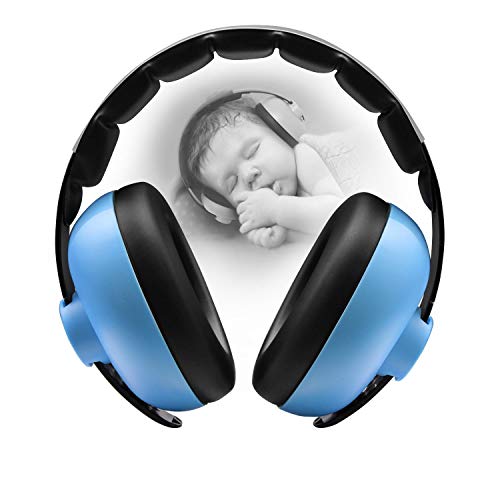
BBTKCARE focuses on protect-ear solutions for babies and very young toddlers. The design aims to shield sensitive ears from loud environments with earmuffs that reduce noise to a safe level. The soft, padded design and adjustable headband help ensure a comfortable fit across early developmental stages. This option is best for babies and toddlers who primarily need hearing protection during events, flights, or other loud environments. Limitation: these are earmuffs rather than active listening headphones, so they do not provide direct audio playback beyond built-in noise-reduction features.
Who it’s best for: Parents prioritizing passive hearing protection for very young children, especially in noisy travel or outdoor settings. Choose if protection is the primary goal and listening is secondary.
Alpine Muffy Baby Ear Protection: 36 Months and Under
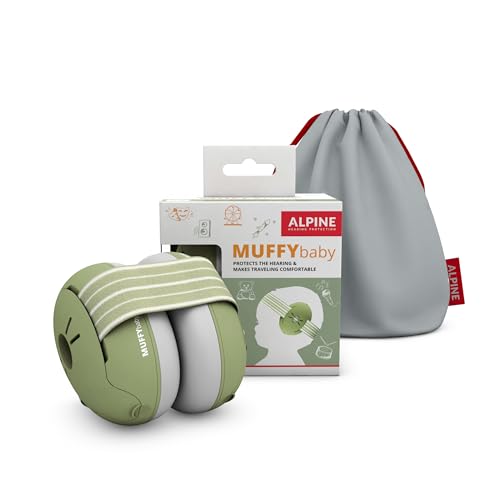
Alpine Muffy Baby Ear Protection offers a CE and ANSI certified solution for babies and toddlers up to 36 months. It emphasizes adjustable, soft padding and an anti-slip headband designed to grow with the child. The earmuffs focus on reducing noise exposure to prevent potential long-term hearing damage in loud environments such as fireworks, concerts, or busy travel. Best for parents who want a certified, growth-friendly option that protects sleep and comfort. Limitation: designed primarily for protection rather than active listening or audio playback.
Who it’s best for: Families needing a certified, adjustable hearing protection option for very young children in noisy settings. Choose if the priority is reducing exposure ahead of time rather than providing musical playback.
Buying Guide: Key Purchase Considerations
Safety first in toddler listening devices means volume limits, soft materials, and durable construction. When choosing headphones for an 18-month-old, consider these factors:
- Volume Limiting: Look for fixed or adjustable limits in the 75–85 dBA range, with preference for the lower end for very young ears.
- Fit and Comfort: Soft padding, adjustable headbands, and lightweight design reduce pressure and fatigue.
- Durability: Shatter-resistant housings and reinforced cables help withstand drops and rough handling.
- Connectivity: Bluetooth for cordless use and a reliable 3.5mm jack as a backup are ideal for travel and varied devices.
- Environment: Consider whether you need active listening for attention and learning, or protective earmuffs for noise reduction only.
- Portability: Foldable designs or compact shapes improve portability in strollers and car seats.
Frequently Asked Questions
- Are volume-limited headphones safer for toddlers? Yes. Limiting volume helps protect delicate hearing, especially in noisy environments or prolonged listening sessions.
- What age is appropriate for Bluetooth headphones for toddlers? Many models cater to children around 2 years and older, but always supervise use and set safe volume before giving them to a toddler.
- Can I use adult headphones for a toddler? It’s not recommended due to potential size and weight, which may cause discomfort and poor fit. Look for dedicated toddler options with soft padding and child-safe volume limits.
- What’s the difference between earmuffs and headphones for babies? Earmuffs provide passive noise reduction without audio playback, while headphones offer listening and volume control along with comfort features.
- Should I prioritize wired or wireless for travel? Wired options ensure playback even if battery dies, while wireless models reduce cable clutter. A hybrid with both options is often ideal for travel.
- How do I ensure a secure fit for an 18-month-old? Choose adjustable bands, soft cushions, and lightweight designs. Check for secure, non-slip headbands or flexible materials to accommodate growing heads.